

What are the advantages of aluminum formwork components compared to other materials?
Dec 17, 2025
Leave a message
As a supplier of Aluminum Formwork Components, I've seen firsthand the growing popularity of aluminum formwork in the construction industry. In this blog, I'll share the advantages of aluminum formwork components compared to other materials, and why you should consider using them for your next project.
Lightweight and Easy to Handle
One of the most significant advantages of aluminum formwork components is their lightweight nature. Aluminum is much lighter than steel or wood, which makes it easier to transport, install, and remove. This reduces the labor required for handling the formwork, resulting in lower labor costs and faster construction times.
For example, when building a high - rise building, moving heavy steel formwork between floors can be a time - consuming and challenging task. With aluminum formwork, workers can easily carry and position the components, even on upper floors. This ease of handling also improves worker safety, as there's less risk of injuries associated with lifting heavy materials.
High Strength - to - Weight Ratio
Despite being lightweight, aluminum formwork components have a high strength - to - weight ratio. This means they can withstand the pressure exerted by wet concrete during the casting process without deforming. Aluminum can handle substantial loads while maintaining its shape, ensuring the accuracy of the concrete structure.

Compare this with wood formwork, which may warp or break under pressure. And although steel formwork is strong, it's also significantly heavier. Aluminum strikes a perfect balance, providing the necessary strength for construction while being lightweight enough for efficient use.
Durability
Aluminum formwork is highly resistant to corrosion. Unlike steel, which can rust when exposed to moisture and certain chemicals in concrete, aluminum can last for a long time even in harsh construction environments. This durability means that the formwork can be reused multiple times without losing its structural integrity.
For a long - term construction project or a business that undertakes multiple building projects, the ability to reuse the formwork is a huge cost - saver. You won't have to keep purchasing new formwork for every project, which is especially beneficial when compared to wood formwork that often needs to be replaced after just a few uses.
Precision and Accuracy
Aluminum formwork components are manufactured with high precision. They can be produced to very tight tolerances, which means that the concrete structures formed using these components will have high dimensional accuracy. This is crucial for modern construction projects where precise measurements are required, such as in building high - tech facilities or luxury apartments.
In contrast, wood formwork may not provide the same level of precision. The natural variations in wood and the way it can expand or contract with changes in humidity can lead to inaccuracies in the finished concrete product. Aluminum formwork solves these problems, resulting in a more professional and high - quality end result.
Cost - Efficiency in the Long Run
Although the initial cost of aluminum formwork components may be higher than that of wood formwork, they offer significant cost savings in the long run. As mentioned earlier, their durability allows for multiple reuses, which reduces the per - use cost. Additionally, the faster construction times due to the ease of handling and installation can lead to lower labor costs and earlier project completion.
Faster project completion also means that you can start generating revenue from the building earlier, whether it's through renting out apartments or selling commercial spaces. When you factor in all these aspects, aluminum formwork becomes a more cost - effective choice over time.
Environmental Friendliness
Aluminum is a recyclable material. At the end of its useful life in the construction industry, aluminum formwork can be recycled and used to make new products. This reduces the demand for virgin materials and helps in conserving natural resources.
In comparison, wood formwork is often discarded after a few uses, contributing to deforestation. And steel production requires a large amount of energy and resources, with significant carbon emissions. Aluminum formwork provides a more sustainable option for the construction industry.
Availability of Accessories
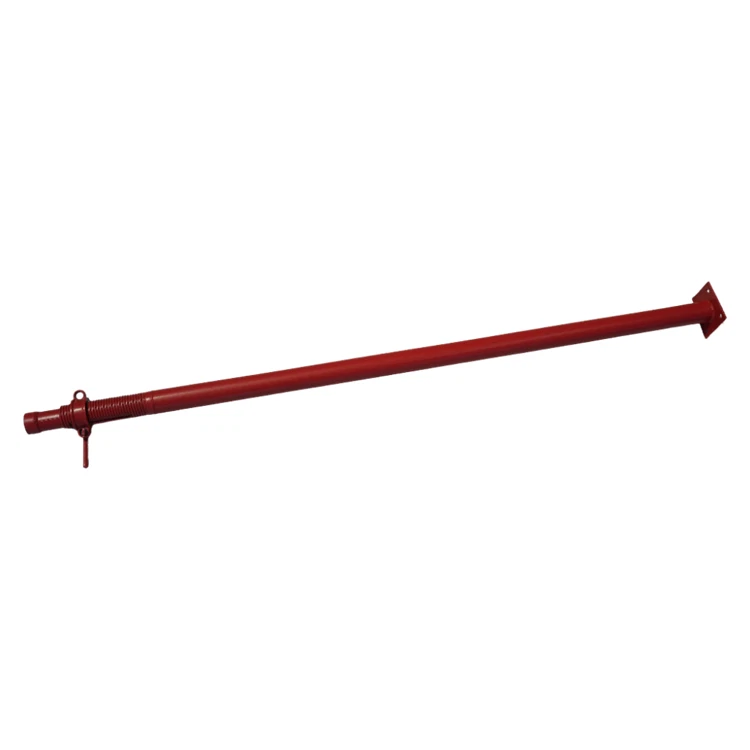
We offer a wide range of accessories for our aluminum formwork components. For instance, you can check out our Aluminum Formwork Steel Support, which provides additional stability to the formwork system. Our Hexagonal Nut is designed to fit perfectly with the formwork, ensuring a secure connection. And the K Plate Bolt and Nuts are essential for joining different formwork panels together.
These accessories are made with the same high - quality standards as our formwork components, ensuring that the entire system works seamlessly. They also contribute to the overall strength and stability of the formwork, making your construction project safer and more efficient.
Conclusion
If you're involved in the construction industry, you should seriously consider using aluminum formwork components for your next project. The advantages of lightweight, high strength - to - weight ratio, durability, precision, cost - efficiency, environmental friendliness, and the availability of quality accessories make them a superior choice compared to other materials.
Whether you're building a small residential house or a large commercial complex, our aluminum formwork components can meet your needs. We're committed to providing the highest quality products and excellent customer service. If you're interested in purchasing our aluminum formwork components or have any questions, feel free to reach out to us for a detailed discussion. We look forward to working with you on your next construction project.
References
- Construction Materials Handbook: A Guide to Selection and Application.
- Aluminum in Construction: Properties, Processes, and Applications.