

How to prevent corrosion of aluminum formwork components in harsh environments?
Dec 17, 2025
Leave a message
How to prevent corrosion of aluminum formwork components in harsh environments?
As a supplier of Aluminum Formwork Components, I've witnessed firsthand the challenges that these components face in harsh environments. Aluminum formwork is widely used in construction due to its lightweight, high strength, and reusability. However, in harsh conditions such as high humidity, salty air, or exposure to chemicals, aluminum formwork components are prone to corrosion, which can significantly reduce their lifespan and performance. In this blog post, I'll share some effective strategies to prevent the corrosion of aluminum formwork components in harsh environments.

Understanding the Corrosion Mechanism of Aluminum Formwork
Before we delve into prevention methods, it's crucial to understand how aluminum formwork corrodes. Aluminum has a natural oxide layer that provides a certain degree of protection against corrosion. However, in harsh environments, this layer can be damaged, exposing the underlying aluminum to corrosive agents.
For example, in a marine environment, the high salt content in the air can accelerate the corrosion process. Chloride ions in the salt can penetrate the oxide layer, causing pitting corrosion. In industrial areas, chemicals in the air or on the ground can react with aluminum, leading to uniform or galvanic corrosion.
Surface Treatment
One of the most effective ways to prevent corrosion is through surface treatment. There are several surface treatment methods available for aluminum formwork components.
Anodizing: Anodizing is a process that thickens the natural oxide layer on the surface of aluminum. By immersing the aluminum formwork in an electrolyte solution and applying an electric current, a thicker and more durable oxide layer is formed. This layer acts as a barrier against corrosive agents, significantly improving the corrosion resistance of the formwork. Anodized aluminum formwork can withstand harsh environments such as coastal areas and industrial zones for a longer time.
Powder Coating: Powder coating involves applying a dry powder to the surface of the aluminum formwork and then baking it to form a hard, protective finish. This coating not only protects the formwork from corrosion but also provides an aesthetically pleasing appearance. Powder coating can be customized in various colors, allowing the formwork to blend in with the construction environment.
Painting: A high - quality paint can also serve as an effective barrier against corrosion. Epoxy - based paints are particularly suitable for aluminum formwork as they have excellent adhesion and chemical resistance. Before painting, the surface of the formwork should be properly cleaned and prepared to ensure good paint adhesion.
Proper Storage and Handling
Proper storage and handling of aluminum formwork components can also prevent corrosion.
Storage Environment: When not in use, the formwork should be stored in a dry, well - ventilated area. Avoid storing the formwork in direct contact with the ground, as moisture can accumulate and cause corrosion. Using pallets or racks to elevate the formwork can help prevent this. If the storage area is in a humid environment, dehumidifiers can be used to control the humidity level.
Handling Precautions: During handling, care should be taken to avoid scratching the surface of the formwork. Scratches can damage the protective surface layer and expose the underlying aluminum to corrosion. Workers should use appropriate lifting equipment and ensure that the formwork is not mishandled.
Use of Corrosion - Resistant Accessories
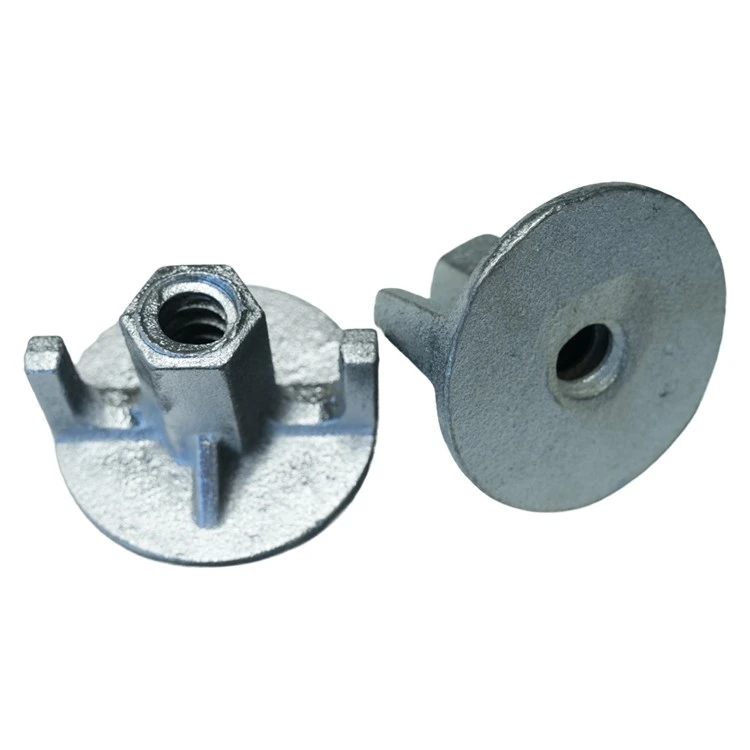
In addition to the formwork itself, the accessories used in conjunction with the aluminum formwork can also be a source of corrosion. Choosing corrosion - resistant accessories is essential. For example, Disc Nut and Hexagonal Nut made of stainless steel or other corrosion - resistant materials can be used instead of regular steel nuts, which are more prone to rusting. Similarly, Aluminum Formwork Adjustable Steel Supports can be treated with anti - corrosion coatings to enhance their durability.
Regular Inspection and Maintenance
Regular inspection and maintenance are crucial for detecting and preventing corrosion.
Inspection Schedule: Establish a regular inspection schedule to check the condition of the aluminum formwork components. Inspections should be carried out at least before and after each use, as well as periodically during storage. Look for signs of corrosion such as pitting, discoloration, or flaking of the surface layer.
Maintenance Measures: If corrosion is detected, appropriate maintenance measures should be taken immediately. Minor corrosion can be treated by cleaning the affected area and applying a protective coating. For more severe corrosion, the damaged parts may need to be replaced to prevent further spread.
Compatibility of Materials
When using aluminum formwork components in a project, it's important to consider the compatibility of different materials. Connecting aluminum formwork with incompatible metals can lead to galvanic corrosion. For example, if steel and aluminum are in direct contact in the presence of an electrolyte (such as moisture), the aluminum will corrode preferentially due to the difference in their electrode potentials. To prevent this, insulating materials can be used between the two metals to break the electrical connection.
Corrosion Inhibitors
Corrosion inhibitors can be used as an additional measure to prevent corrosion. These inhibitors work by forming a protective film on the surface of the aluminum formwork, which inhibits the corrosion process. Corrosion inhibitors can be applied in various forms, such as sprays, dips, or coatings. However, it's important to choose the right type of inhibitor based on the specific environment and the composition of the formwork.
In conclusion, preventing the corrosion of aluminum formwork components in harsh environments requires a comprehensive approach. By implementing surface treatment, proper storage and handling, using corrosion - resistant accessories, conducting regular inspections and maintenance, considering material compatibility, and using corrosion inhibitors, the lifespan and performance of the formwork can be significantly improved.
If you're interested in our Aluminum Formwork Components or need more information on how to prevent corrosion, please feel free to contact us for a purchasing negotiation. We're committed to providing high - quality products and professional solutions to meet your construction needs.
References
- Fontana, M. G. (1986). Corrosion Engineering (3rd Ed.). McGraw - Hill.
- Schweitzer, P. A. (1996). Corrosion Resistance Tables (4th Ed.). Marcel Dekker.
- Jones, D. A. (1996). Principles and Prevention of Corrosion. Prentice - Hall.