

What is the fire resistance of aluminum formwork?
Jan 09, 2026
Leave a message
What is the fire resistance of aluminum formwork?
As a supplier of aluminum formwork, I often encounter inquiries from clients about the various properties of our products, with fire resistance being a topic of particular interest. In this blog, I'll delve into the fire - resistance characteristics of aluminum formwork, its implications in construction, and how it stacks up against other materials.
Understanding the Basics of Aluminum Formwork Fire Resistance
Aluminum formwork is a popular choice in modern construction due to its numerous advantages such as high strength - to - weight ratio, reusability, and ease of installation. When it comes to fire resistance, the performance of aluminum is quite different from traditional materials like wood and concrete.
Aluminum has a relatively low melting point of about 660°C (1220°F). This might lead some to assume that it would perform poorly in a fire situation. However, the behavior of aluminum formwork in a fire is more complex than a simple matter of its melting point.
When exposed to fire, aluminum quickly forms a layer of aluminum oxide on its surface. This oxide layer acts as a barrier, protecting the underlying aluminum from further oxidation and potentially reducing the rate of heat transfer. In addition, aluminum has a high thermal conductivity. While this might seem counter - intuitive for fire resistance, it actually means that heat is distributed more evenly across the formwork, preventing localized hot - spots that could lead to rapid structural failure.
Fire Resistance Ratings and Aluminum Formwork
In the construction industry, fire resistance is typically measured in terms of fire - resistance ratings. These ratings, expressed in hours, indicate how long a material or structure can maintain its integrity, insulation, and load - bearing capacity during a fire.
The fire - resistance rating of aluminum formwork depends on several factors, including its thickness, the presence of fire - retardant coatings, and the design of the formwork system. While unprotected aluminum formwork may not have a very high fire - resistance rating on its own due to its relatively low melting point, modern construction techniques can be used to improve its performance.
For example, some aluminum formworks are coated with fire - retardant substances. These coatings can slow down the heating process of the aluminum, delay the formation of the molten state, and enhance the overall fire - resistance performance of the formwork. In large - scale construction projects, the design of the formwork installation also plays a crucial role. Ensuring proper ventilation and heat dissipation can prevent excessive heat buildup around the aluminum formwork, enhancing its fire - resistance capabilities.

Comparison with Other Formwork Materials
Let's compare aluminum formwork with other common formwork materials in terms of fire resistance:
Wood Formwork
Wood is a traditional formwork material. It is combustible and has a relatively poor fire - resistance rating. Once ignited, wood burns quickly, releasing a large amount of heat and smoke. In a fire, wood formwork can quickly lose its structural integrity, posing a significant safety risk to the construction site and the building occupants.
Steel Formwork
Steel has a higher melting point than aluminum, around 1538°C (2800°F). However, steel loses its strength rapidly at high temperatures. When heated to about 500°C (932°F), steel can lose up to 50% of its strength. In contrast, aluminum's relatively lower melting point is offset by its oxide - forming ability and high thermal conductivity, which can result in a more predictable behavior during a fire.
Concrete Formwork
Concrete is non - combustible and has excellent fire - resistance properties. However, the formwork used for concrete construction is often made of other materials. Aluminum formwork can be used in combination with concrete, providing the necessary support during the construction process. While the concrete provides fire protection for the structure, the aluminum formwork's fire - resistance characteristics are still relevant during the construction phase.
Applications and Considerations in Construction
In construction projects, the fire - resistance of aluminum formwork has several important implications:
High - Rise Buildings
In high - rise building construction, fire safety is of utmost importance. Aluminum formwork is often used in these projects due to its lightweight and easy - to - install nature. However, special attention must be paid to its fire - resistance. Architects and engineers need to design the formwork system in such a way that it meets the required fire - safety standards. This may involve using fire - retardant coatings or incorporating additional fire - protection measures.
Industrial Buildings
Industrial buildings may have different fire - safety requirements depending on the type of industry. For example, buildings in the chemical or manufacturing industries may be at a higher risk of fire. Aluminum formwork can be a suitable choice in these buildings, but again, proper fire - resistance measures need to be in place.
Residential Buildings
In residential construction, the use of aluminum formwork can improve construction efficiency. Homeowners and developers are also concerned about fire safety. By ensuring that the aluminum formwork has adequate fire - resistance, the overall safety of the residential buildings can be enhanced.
Our Aluminum Formwork Products and Fire Resistance
At our company, we offer a range of aluminum formwork products, each with specific features related to fire resistance.
Our Virgin Aluminium Formwork is made from high - quality virgin aluminum. We can apply special fire - retardant coatings to this formwork to improve its fire - resistance performance. These coatings are designed to meet the strictest industry standards, providing an extra layer of protection in case of a fire.
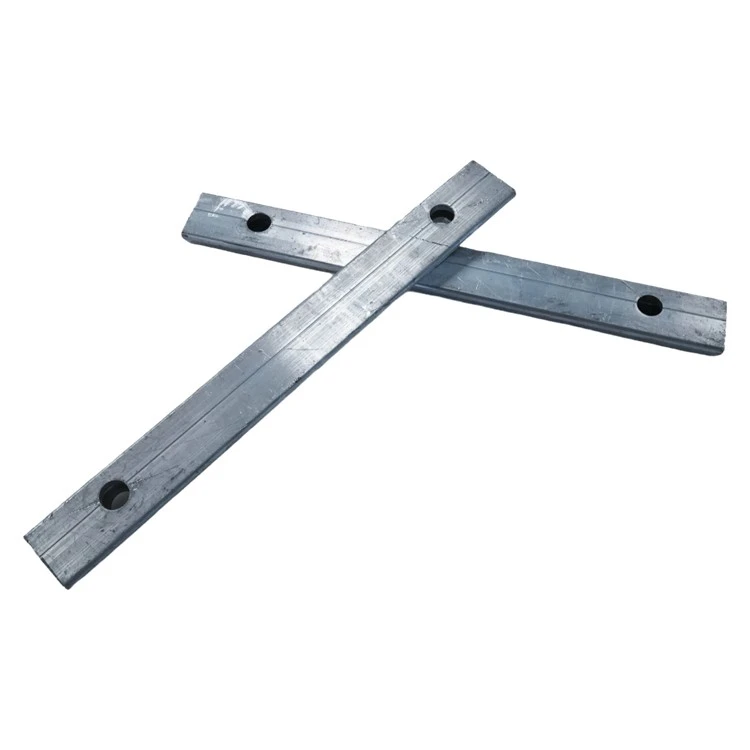
The Aluminum Formwork Support Connection Strips we supply are also an integral part of the formwork system. These strips are designed to ensure the structural integrity of the formwork, which is crucial for maintaining fire - resistance. Their unique design allows for efficient heat distribution, reducing the risk of localized structural failure during a fire.
For exterior applications, our Exterior Wall Aluminum Formwork is designed to withstand various environmental conditions, including potential fire hazards. We use advanced manufacturing techniques to enhance its fire - resistance, making it a reliable choice for exterior wall construction.
How to Choose Aluminum Formwork with Good Fire Resistance
When choosing aluminum formwork for your construction project, here are some key points to consider:
- Coatings: Look for formwork with high - quality fire - retardant coatings. These coatings can significantly improve the fire - resistance of the aluminum.
- Design: A well - designed formwork system can enhance fire - resistance. Consider factors such as ventilation, heat dissipation, and structural integrity.
- Testing and Certification: Ensure that the aluminum formwork has been tested and certified to meet relevant fire - safety standards. This provides assurance of its performance in a fire situation.
Contact Us for Your Aluminum Formwork Needs
If you are interested in our aluminum formwork products and want to learn more about their fire - resistance capabilities, or if you have a construction project that requires high - quality formwork, we are here to help. Our team of experts can provide you with detailed information, product samples, and technical support. We are committed to providing the best aluminum formwork solutions that meet your specific needs and safety requirements. Don't hesitate to reach out to us for a consultation and to start discussing your procurement options.
References
- "Fire Resistance of Metals in Construction", Construction Materials Handbook.
- "Aluminum in Construction: Properties and Applications", International Aluminum Institute.