

How strong are aluminum formwork wall ties?
Jan 14, 2026
Leave a message
Hey there! As a supplier of Aluminum Formwork Wall Ties, I often get asked about how strong these little guys really are. So, I thought I'd take a deep dive into the topic and share everything I know.
What Are Aluminum Formwork Wall Ties?
First things first, let's quickly go over what aluminum formwork wall ties are. These are essential components in the construction industry. They're used to hold together the formwork panels that are used to create concrete walls. The formwork acts as a mold for the concrete, and the wall ties ensure that the panels stay in place while the concrete is poured and sets.
The Strength of Aluminum
Aluminum might not be the first material that comes to mind when you think of strength. After all, it's lightweight, right? But don't let its lightness fool you. Aluminum is actually incredibly strong for its weight. Modern aluminum alloys are designed to have high strength - to - weight ratios.
One of the key factors contributing to the strength of aluminum formwork wall ties is the alloy used. Different alloys have different properties. For example, some alloys are more resistant to corrosion, while others are stronger. The most commonly used alloys in wall ties are engineered to provide a good balance between strength and durability.
When it comes to measuring the strength of aluminum, we often look at its tensile strength. Tensile strength is the maximum amount of tensile (pulling) stress that a material can withstand before breaking. Aluminum formwork wall ties are typically designed to have a high tensile strength to ensure that they can hold the formwork panels together even under the pressure of wet concrete.
Testing the Strength
Manufacturers don't just randomly claim that their aluminum formwork wall ties are strong. These ties go through a series of rigorous tests to ensure that they meet industry standards.
One of the most common tests is the pull - out test. In this test, a wall tie is installed in a mock - up formwork system, and then a pulling force is applied to it. The force is gradually increased until the tie either fails or reaches the specified maximum load. This test helps to determine the maximum load that the wall tie can withstand without being pulled out of the formwork.
Another important test is the shear test. Shear stress occurs when two parts of a material are forced to slide past each other. In the case of aluminum formwork wall ties, shear stress can occur when the formwork panels shift or when there is lateral pressure from the concrete. The shear test measures the tie's ability to resist this type of stress.
Factors Affecting Strength
There are several factors that can affect the strength of aluminum formwork wall ties. One of the most obvious ones is the quality of the manufacturing process. If the ties are not properly fabricated, with flaws in the casting or machining process, it can significantly reduce their strength.
The design of the wall tie also plays a crucial role. A well - designed tie will distribute the load evenly across its structure, reducing the risk of stress concentrations that could lead to failure. For example, some wall ties have a special shape or texture that helps to grip the formwork panels more securely.
Environmental factors can also have an impact. Exposure to harsh chemicals, such as some of the additives used in concrete, or to extreme weather conditions can cause corrosion or other forms of damage to the wall ties, which in turn can weaken them over time.
Comparison with Other Materials
So, how do aluminum formwork wall ties stack up against other materials, like steel? Steel is known for its high strength, but it also has some drawbacks. Steel is much heavier than aluminum, which can make it more difficult to handle during construction. This can lead to increased labor costs and slower installation times.
In addition, steel is more prone to corrosion, especially in wet or humid environments. Corrosion not only weakens the wall ties but can also cause staining on the finished concrete surface. Aluminum, on the other hand, has a natural oxide layer that provides some protection against corrosion. And with the use of appropriate coatings, the corrosion resistance of aluminum formwork wall ties can be further enhanced.
Other Aluminium Formwork Components
When it comes to aluminum formwork systems, wall ties are just one piece of the puzzle. There are a whole bunch of other Aluminium Formwork Components that work together to make the formwork system strong and reliable.

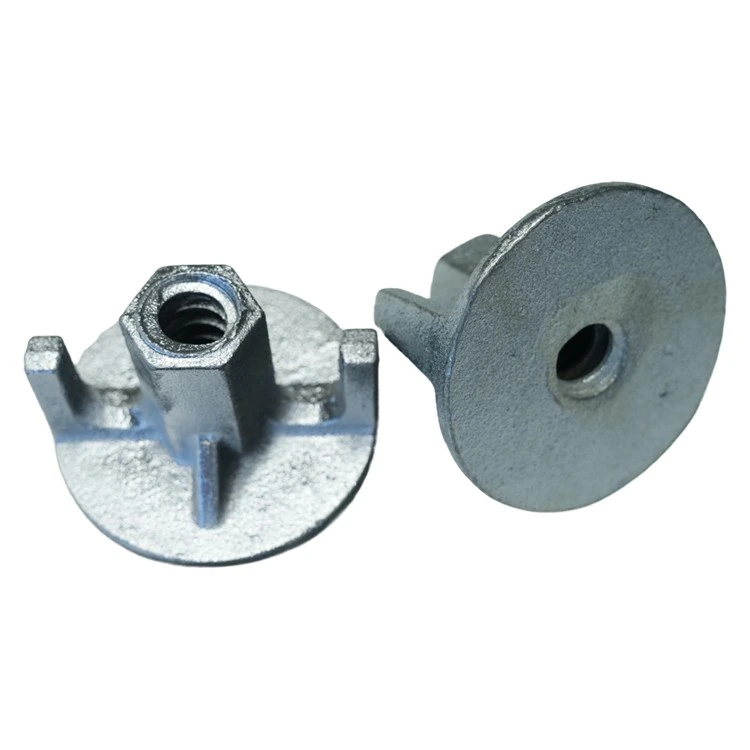
For example, Disc Nut is an important part. It is used to secure the wall ties and other components in place. The design of the disc nut allows for easy installation and removal, and it provides a tight fit to prevent any loosening during the concrete pouring process.
K Plate Bolt and Nuts are also critical. They are used to connect different formwork panels together. These bolts and nuts need to be strong enough to withstand the forces exerted on the formwork during construction.
Why Choose Our Aluminum Formwork Wall Ties?
As a supplier, we take great pride in our aluminum formwork wall ties. We use high - quality alloys and state - of - the - art manufacturing processes to ensure that our ties are as strong as possible. Our products go through strict quality control measures, and we test each batch to make sure they meet or exceed industry standards.
In addition to strength, our wall ties are also designed for ease of use. They are lightweight, which makes them easy to handle and install on the construction site. And we offer a range of different sizes and designs to meet the specific needs of different construction projects.
Let's Talk Business
If you're in the construction industry and are looking for reliable aluminum formwork wall ties, we'd love to hear from you. Whether you're working on a small residential project or a large commercial building, our products can provide the strength and durability you need.
Don't hesitate to reach out to us to discuss your requirements. We can offer you competitive prices, high - quality products, and excellent customer service. Let's work together to make your construction project a success!
References
- "Aluminum Alloys: Properties and Applications" - A technical guide on the properties and uses of aluminum alloys.
- Construction Industry Standards for Formwork Components - Official documents outlining the requirements for formwork materials and components.