

Can an aluminum template pull tab be used in high - temperature environments?
Nov 20, 2025
Leave a message
As a supplier of Aluminum Template Pull Tabs, I often encounter inquiries from customers regarding the suitability of our products for various environments. One question that frequently arises is whether an aluminum template pull tab can be used in high - temperature environments. In this blog, I will delve into this topic, exploring the properties of aluminum, the impact of high temperatures on aluminum template pull tabs, and the practical considerations for using them in such conditions.
Properties of Aluminum
Aluminum is a widely used metal in various industries due to its unique set of properties. It is lightweight, corrosion - resistant, and has good electrical and thermal conductivity. The density of aluminum is approximately 2.7 g/cm³, which is about one - third of the density of steel. This makes aluminum products, including template pull tabs, easier to handle and transport.
In terms of mechanical properties, aluminum has a relatively low melting point compared to other metals. The melting point of pure aluminum is around 660.32 °C (1220.58 °F). However, most commercial aluminum alloys used in template pull tabs have slightly different melting points depending on their composition. For example, some common aluminum alloys used in construction applications have melting points in the range of 550 - 650 °C.
Impact of High Temperatures on Aluminum Template Pull Tabs
Structural Integrity
When exposed to high temperatures, aluminum undergoes thermal expansion. The coefficient of thermal expansion of aluminum is relatively high compared to some other metals. This means that as the temperature rises, the aluminum template pull tab will expand in size. If the temperature change is rapid or extreme, this expansion can cause stress within the pull tab.
At elevated temperatures, the strength of aluminum decreases. The yield strength and ultimate tensile strength of aluminum alloys start to decline as the temperature approaches their melting points. For instance, at around 200 - 300 °C, the strength of some aluminum alloys can drop by 20 - 30% compared to their room - temperature values. This reduction in strength can compromise the structural integrity of the pull tab, making it more prone to deformation or failure under load.
Corrosion Resistance
High temperatures can also affect the corrosion resistance of aluminum. Although aluminum forms a thin oxide layer on its surface that protects it from corrosion under normal conditions, high temperatures can accelerate the oxidation process. In some cases, the oxide layer may become thicker or less protective, leading to increased susceptibility to corrosion. Additionally, if the high - temperature environment contains certain chemicals or contaminants, the corrosion rate can be further accelerated.
Practical Considerations for Using Aluminum Template Pull Tabs in High - Temperature Environments
Temperature Range
Before using aluminum template pull tabs in a high - temperature environment, it is crucial to determine the actual temperature range of the application. If the temperature is below 100 - 150 °C, the impact on the pull tabs is likely to be minimal. In such cases, the pull tabs can generally maintain their structural integrity and performance. However, if the temperature exceeds 200 °C, special considerations need to be taken.
Load Requirements
The load requirements of the application also play a significant role. If the pull tabs are subjected to high loads in a high - temperature environment, the reduced strength of the aluminum at elevated temperatures can pose a serious risk. In such situations, it may be necessary to use alternative materials or reinforce the pull tabs to ensure they can withstand the load.

Protective Coatings
Applying protective coatings to the aluminum template pull tabs can help mitigate the effects of high temperatures. For example, ceramic - based coatings can provide thermal insulation and protect the aluminum from direct contact with high - temperature gases or chemicals. These coatings can also improve the corrosion resistance of the pull tabs in high - temperature environments.
Complementary Products for High - Temperature Applications
In addition to aluminum template pull tabs, there are other products that can be used in high - temperature construction applications. For example, the Aluminum Formwork Steel Turnbuckle is a robust component that can be used in conjunction with aluminum formwork systems. Steel has a much higher melting point and better strength retention at high temperatures compared to aluminum.
The Aluminum Form Gasket can also be important in high - temperature applications. It helps to seal the joints between formwork panels, preventing the leakage of concrete and protecting the formwork from the high - temperature environment.
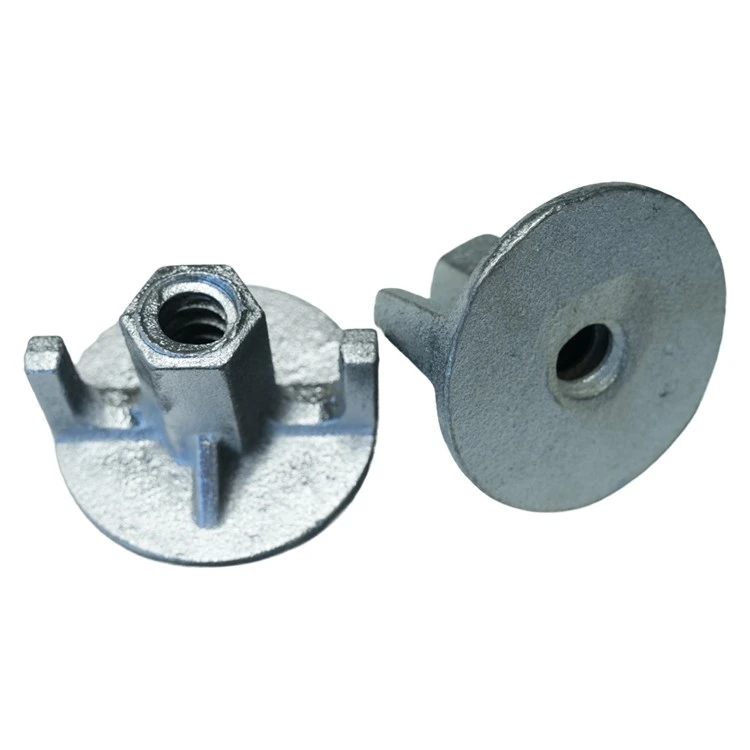
Another useful product is the Disc Nut. Disc nuts are designed to provide a secure connection in formwork systems. They can be used in combination with aluminum template pull tabs to enhance the overall stability of the formwork in high - temperature conditions.
Conclusion
In conclusion, while aluminum template pull tabs have many advantages, their use in high - temperature environments requires careful consideration. The thermal expansion and reduced strength of aluminum at high temperatures can pose challenges to the structural integrity and performance of the pull tabs. However, if the temperature range is within acceptable limits, appropriate load calculations are made, and protective measures are taken, aluminum template pull tabs can still be used effectively in high - temperature applications.
If you are considering using aluminum template pull tabs in a high - temperature environment or have any other questions about our products, I encourage you to contact us for a detailed discussion. Our team of experts can provide you with the necessary technical support and guidance to ensure that you select the right products for your specific needs. We are committed to providing high - quality aluminum formwork accessories and look forward to the opportunity to work with you on your next project.
References
- ASM Handbook Volume 2: Properties and Selection: Nonferrous Alloys and Special - Purpose Materials. ASM International.
- Aluminum Association. Aluminum Design Manual.