


Hexagonal Nut
Description
Technical Parameters
Shandong Hualv Alu-Formwork Co., Ltd. was established in 2017. It is affiliated with Shandong Huajian Aluminum Group and is located in Linqu County, the capital of China's aluminum industry. We are an enterprise that integrates aluminum alloy formwork profile research and development, aluminum alloy formwork structure design, aluminum alloy formwork mold design, and aluminum alloy formwork processing and production.
Why Choose Us
One-stop Solution
With rich experience and one-to-one service,we can help you choose products and answer technical questions.
World-wide expertise
We know international markets and trends. Our expertise, experience and network cover all corners of the world.
Commitment to quality
We're committed to quality and concrete actions. That means we always deliver solutions in a professional and practical way.
Customer Satisfaction
Providing after-sales services can enhance customer satisfaction by ensuring that customers' needs are met even after the purchase. This can lead to increased customer loyalty and positive word-of-mouth referrals.

Components Of Aluminium Formwork
Aluminum molding system complete molding accessories. components of aluminium formwork: wedge pin, pin sheet, long pin, pull rod, gasket, pull piece, steel support, bolts, hexagon nuts, inclined support, etc.
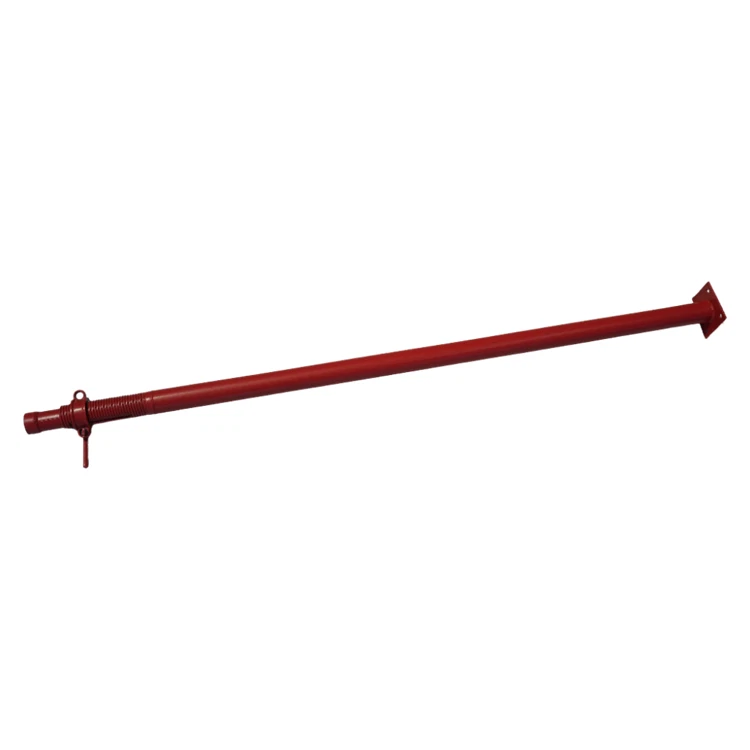
Aluminum Formwork Steel Support
Aluminum formwork steel support is used as a vertical support component for buildings and is easy to turn around. It is the main component of aluminum formwork. The wall thickness of the supporting circular tube is 2.5mm, and the thickness of the negative film is 8mm. It is made of carbon steel.
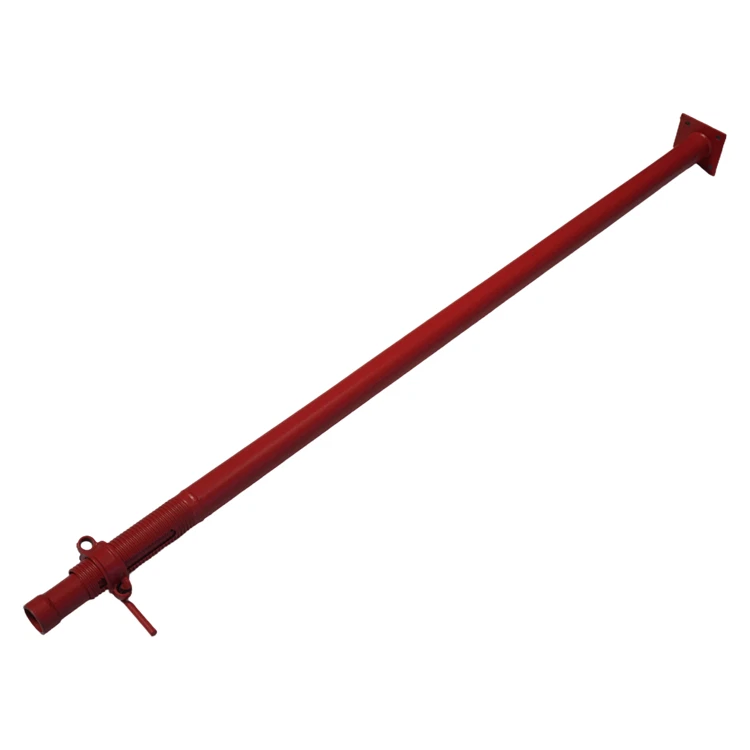
Aluminum Formwork Adjustable Steel Supports
The fusion of steel pipes and threads allows for single-person operation, efficient adjustment and stable support. Its principle is different from traditional steel supports.

Aluminum template pull tab is a kind of building formwork material, mainly composed of high-strength aluminum, steel and accessories. Its main features are lightweight, durable, easy to assemble, etc.

Material: carbon steel, surface treatment: color zinc plating. Used for back corrugation reinforcement of aluminum formwork pull tab system.
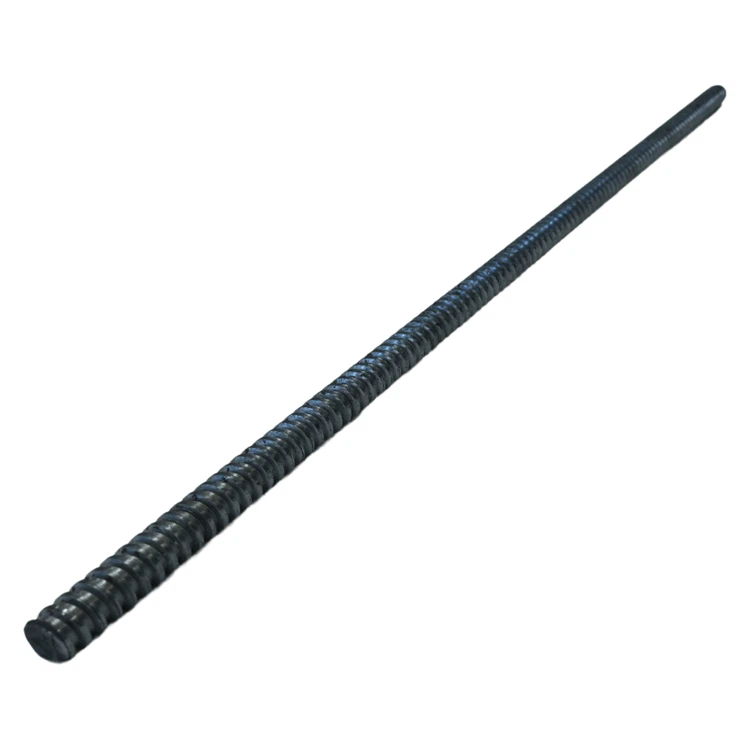
Wall screw is a threaded connector used to fix objects on walls, floors or other obstacles. Its main purpose is to solve situations where it is impossible to drill holes directly or use other connectors.

Disc nut used for building aluminum formwork reinforcement component, bearing capacity 180KN/M2, easy to strengthen, not easy to loosen, is the main component of aluminum alloy formwork reinforcement. Disk nut thickness 50mm, the material is made of ductile iron integrated casting.

Aluminum form gasket used for building aluminum formwork reinforcement component, bearing capacity 150KN/M2, easy reinforcement, large force area, is the main component of aluminum alloy formwork reinforcement. The thickness of the aluminum template gasket is 8mm, and the material is carbon steel integrated stamping.

Hexagonal nut used for building aluminum formwork reinforcement component, bearing capacity 180KN/M2, easy to strengthen, not easy to loosen, is the main component of aluminum alloy formwork reinforcement.
Hex nuts are six sided general purpose nut with internal screw threads. Hex nuts are one of the most common hexagonal fastener with internal threads that screws on to the shank of a hex head cap screw or other bolts. Hex jam nuts, heavy hex nuts, and lock nuts are just a few types of hex nuts we carry.
Benefits of Hexagonal Nut
High Torque Capacity
Hex bolts, with their six-sided heads, provide a larger contact area for wrenches or socket tools. This design allows for higher torque application and better grip during installation and removal.
Versatility
Hex bolts come in various sizes and materials, making them suitable for a wide range of applications, from construction and machinery to automotive and industrial settings.
Secure Fastening
When properly tightened with the appropriate tools, hex bolts offer reliable and secure fastening, reducing the risk of loosening or vibration-related failures.
Durable
Hex bolts are available in a variety of materials, including steel, stainless steel, and more, allowing for options that resist corrosion and provide long-term durability.
Standardized Sizing
Hex bolts conform to industry standards, ensuring compatibility with a wide range of nuts, washers, and other hardware components.
5 Differences between the Square Nuts and Hex Nuts
Size and shape
Square nuts have a square shape with four equal sides and right angles.
Hex nuts have a hexagonal shape with six sides.
Compatibility with fasteners and tools
Square nuts are typically used with bolts or screws that have square heads, requiring specialized tools like square socket wrenches or pliers for installation and removal.
Hex nuts are compatible with a wide range of fasteners, such as bolts, screws, or threaded rods, and can be easily tightened or loosened using standard wrenches or socket sets.
Strength and stability
Square nuts provide a secure and stable connection due to their anti-rotation feature, making them resistant to loosening caused by vibration or torque.
Hex nuts also offer reliable strength and stability, with the six-sided design providing multiple contact points for a tight connection.
Ease of installation and removal
Square nuts may be more challenging to install or remove in tight or hard-to-reach spaces due to their square shape and the need for specialized tools.
Hex nuts are generally easier to install and remove, as they can be tightened or loosened using standard wrenches or socket sets, offering greater accessibility.
Cost and availability
The cost and availability of square nuts may vary depending on the specific size, material, and finish. They may be slightly less commonly available compared to hex nuts in certain hardware stores.
Hex nuts are widely available and commonly stocked in hardware stores, making them more accessible and generally more cost-effective.

Construction Work- They are widely used throughout the construction sector, for applications such as concrete work, roofing, framing, fastening metal, wood, and so on.
Automotive Industry- These bolts and nuts are useful for various projects in the automotive sector, including assembling engines, body panels, and components of the suspension system.
Equipment Needs- These bolts and nuts are widely used for several machinery types, inclusive of smaller tools and also big-scale industrial machinery. They may be used for fastening two components in place or also for the attachment of equipment to any base that is stable.
Electrical Applications- They are sometimes used for the securing of electrical machinery and panels, being crafted from materials with non-conductive properties to prevent any shorts.
Plumbing Applications- They are used for the fastening of fittings and pipes along with other tasks. They may be built from materials that can resist damage due to chemicals and corrosion as a result.
Types of Hex Nuts
Standard Hex Nut
Standard hex nuts are your typical six-sided nuts that come in different sizes to fit other bolts. They are the most widely used type of nut and are usually made of steel or stainless steel. They are the best choice for general-purpose fastening applications and are easily found at hardware stores.
Nyloc Nut
Nyloc nuts are also known as nylon-insert lock nuts. These hex nuts feature a nylon ring inside the nut, creating a tighter fit when the nut is tightened onto the bolt. This added friction prevents the nut from working itself loose over time, making them an ideal choice for high-vibration applications.
Wing Nut
Wing nuts are hex nuts with "wings" on the side, allowing for easy hand tightening. They are often used in applications where frequent adjustments or removals are necessary. These nuts are commonly used in woodworking, lighting fixtures, and other household applications.
Flange Nut
Flange nuts are hex nuts with a broad, circular base that extends outward from the nut's six sides. This design allows for better pressure distribution and helps prevent the nut from sinking into soft materials. This type of hex nut is often used with large-diameter bolts and in applications where vibration and corrosion are a concern.
Square Nut
The square nut may seem simple, but its unique shape holds many advantages over its more common hexagonal counterpart. The square profile provides a more excellent bearing surface, increasing grip strength and less risk of slipping. The square nut can also be tightened with a spanner at any angle, making it a versatile choice for use in applications with limited access. As an expert in the field, consider the benefits of a square nut for your next project.
Acorn Nut
Acorn nuts are hex nuts with a rounded, domed end that resembles an acorn. This nut is often used for decoration or to protect the exposed end of a bolt. They can also cover sharp edges created by exposed bolts to prevent injury.
Hex Bolts: The Foundation of Strong Connections
Select the Right Material
Depending on your specific application, choose hex bolts made from materials that offer the required strength and corrosion resistance. Common options include stainless steel, carbon steel, and alloy steel.
Proper Sizing
Ensure that you select the right size of hex bolts to match your project. Using undersized or oversized bolts can compromise the structural integrity.
Thread Type
Different applications require specific thread types, such as coarse or fine threads. Be sure to choose the appropriate one.
Tightening Torque
Over-tightening or under-tightening hex bolts can be problematic. Follow the manufacturer's recommendations or consult industry standards for the correct tightening torque.
Use Washers
When installing hex bolts, consider using washers to distribute the load evenly and protect the surface being bolted.
How to Remove a Stuck Nut
Step 1: Lubricate the Hex-nut
The nut is probably stuck because of rust, so spraying it with some kind of lubricant would help release it. I recommend either WD-40 or PTFE, but grease or vaseline might also work.
Step 2: Add 2 More Hex-nuts, & Tighten
I screwed on two hex-nuts on the other side of the threaded rod, and tightened them together with pliers. This needs to be tight, but there is no need to overtighten. See the pictures for more information.
Step 3: Clamp the Hex-nuts in a Vise, & Remove the Nut
I clamped both hex-nuts in my vise, as shown in picture 1. Now, guess what? I clamped my big locking pliers onto the nut, and turned. The more force you apply, the stronger the force which stops the hex-nuts that are clamped in the vise from moving. I used a vise, but you can also use locking pliers, which work just a well
Step 4: Unscrew Both Hex-nuts
All you have to do now, is to unscrew the two hex-nuts that were screwed on in step 2. You can see the second picture to see how that's done.
4 Tips For Properly Maintaining Nuts And Bolts
Regular Cleaning and Lubrication
Over time, dirt, grime and rust can accumulate on nuts and bolts, leading to corrosion and making them difficult to remove or adjust. Regular cleaning can help prevent these issues. Start by removing any visible dirt or debris using a wire brush or a similar tool. Soak the nuts and bolts in warm water and mild detergent for a more thorough cleaning. After soaking, scrub them gently with a brush to remove any remaining residue. Rinse thoroughly and dry them completely to prevent rust formation.
Once cleaned, apply a suitable lubricant to the nuts and bolts. This helps reduce friction, making it easier to tighten or loosen them when needed. A light coat of machine oil or a specialised fastener lubricant will suffice. Make sure to wipe off any excess lubricant to prevent attracting more dirt.
Appropriate Storage Solutions
Proper storage of nuts and bolts can significantly extend their lifespan and maintain their integrity. Store nuts and bolts in a dry, cool place away from direct sunlight and moisture. Excessive humidity can lead to rust, while extreme temperatures can affect the metal's strength. Use airtight containers or resealable plastic bags to keep them dry and dust-free.
Organise your nuts and bolts by size, type and material. This will make it easier to find the right fastener when needed and prevent the mixing of different metals, which can lead to corrosion. Labelled bins or drawers can also help keep your collection organised and easily accessible.
Routine Inspections for Wear and Damage
Routine checks can help ensure the safety and reliability of your fasteners. Inspect your nuts and bolts at regular intervals, depending on the frequency of use and the conditions they are exposed to. More frequent inspections might be necessary for critical applications.
Look for signs of wear, such as rust, corrosion, stripped threads or deformation. If any damage is detected, replace the affected nuts and bolts immediately to maintain the integrity of your assembly. Pay special attention to high-stress areas where fasteners are more likely to experience wear.
Careful Handling
Always use the appropriate size and type of wrench or socket for your nuts and bolts. Using the wrong tools can strip threads or cause the fasteners to become rounded, making them difficult to work with. For particularly stubborn nuts and bolts, consider using penetrating oil and a breaker bar to avoid excessive force that could damage the fastener.
When installing nuts and bolts, ensure you are not over-tightening or under-tightening them. Over-tightening can lead to stripped threads or broken bolts, while under-tightening can result in loose assemblies. Using a torque wrench can help you apply the correct amount of force as specified by the manufacturer.
Finding the Thread Gauge of a Hex Nut: How it's Done
Buy Metric and Standard Gauges for Nut Measuring
Thread gauges for bolts and screws are very different instruments from those used to measure nuts. The reason why is that a gauge for nuts has to go inside the nut and fit inside the opening of the nut to measure it properly, whereas the gauge for a bolt or screw only has to measure on the outside where the threads are. The gauges for nuts look more like socket wrenches where the heads of these tools are inserted into and screwed into the nut to find the right fit. When you do this, and you find the right fitting gauge, the measurement of that gauge is imprinted on the handle so that you know what the measurement of the nut is.
Pick up a Hex Nut and a Gauge That Looks Like It Would Be a Good Fit
Pick up a hex nut of any size. Look at your set of nut gauges. Pick out the few that look as though they might fit inside the hex nut. Test each one, attempting to screw the gauge into the nut. You want it to fit exactly right without being too loose or forced. When you find the one that fits the nut perfectly, turn the gauge over in your hand to look at the measurement indicated on the handle of the gauge. It will tell you the exact measurement of the threads inside the nut. This will also tell you exactly what the thread gauge is on the screw or bolt that is supposed to accompany this nut.
How It Is Useful and Why You Would Want to Do This
In industrial settings, there are thousands of nuts, bolts, and screws. When they come loose from machinery or equipment and/or need to be replaced, it is not as though you know automatically what to buy. You need these gauges to tell you the correct fitting and size of the fasteners so that everything fits back together perfectly.
Our Factory
Our company covers an area of more than 180 acres, with a production plant area of more than 90,000 square meters. The annual production capacity reaches 500,000 square meters of architectural aluminum formwork. It has established in-depth cooperative relations with China Construction, China Resources, Vanke, China Overseas, Sunac, Sino-Ocean, Handa, and other companies.

Certifications

FAQ
Q: What is the purpose of a hexagonal nut?
Q: How does a hex nut work?
Q: What tool is used to turn a hexagonal nut?
Q: Is a hex nut magnetic?
Q: What angle is a hexagon nut?
Q: Can hex nuts be welded?
Q: What is the function of a hexagonal nut?
Q: What are the properties of a hex nut?
Q: How do you identify hex nuts?
Q: What is the most common hex nut?
Q: How are hex nuts marked?
Hot Tags: hexagonal nut, China hexagonal nut manufacturers, suppliers, formwork premium accessories for aluminium, formwork risk free accessories for aluminium, formwork efficient accessories for aluminium, formwork moisture resistance accessories for aluminium, Components Of Aluminium Formwork, Aluminum Template
|
Brand |
Hualv |
|
Grade |
6061 Aluminum |
|
Application |
Commercial or industrial; modern and sophisticated building project; concrete Construction |
|
Place of Origin |
Shandong |
|
Delivery Time |
15 days |
|
Port |
Qingdao, Shanghai |
|
Warranty |
According to the actual situation |
|
Samples |
For free |
|
MOQ |
2000 sqm |
|
Payment Terms |
30% deposit before production, and balance before shipment |
|
After-sale Service |
Online technical support, Onsite Installation, Onsite Training, Onsite Inspection, Free spare parts |
|
Project Solution Capability |
Graphic design, 3D model design, total solution for projects, Cross Categories Consolidation |
|
Customization |
Yes |
Send Inquiry


